When a Solicitor gives you specialist advice, you should probably take it… At least that’s what the Deputy Prime Minister discovered.
Stamp Duty on property transactions was introduced in 1694. Its initial purpose was to finance war against the French. It has been around in various guises ever since. Like the Bank of England, which was created the same year, you’d think we’d be used to it by now. Indeed, it was an attempt to enforce stamp duties that led to the cry of “no taxation without representation” in the American colonies.
Stamp Duty Land Tax (or SDLT) was introduced in its current incarnation in December 2003. Following powers being devolved to the Scottish Parliament it was renamed Land and Buildings Transactions Tax in April 2015. In Wales it has been known as Land Transaction Tax since April 2018. Whilst the rates vary slightly, they amount to the same thing, a tax on property transactions
As ever with matters of taxation, it appears that those in power can’t help but tweak it here and there. Not at all motivated by the desire to raise more money in taxes without being too obvious about it… In turn this has led to more complications.
Whilst the rate payable has been levied in bands depending on the purchase price or value has been in place since the introduction of the tax, the rate on second homes, or homes that aren’t the “principal residence” has increased markedly over the last few years. In turn, this has led to greater incentives to avoid paying the tax (or at least minimise it). The aforementioned complications also don’t help.
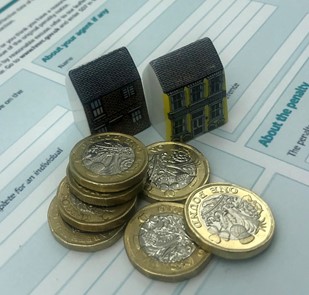
And so we arrive at the much publicised properties in Ashton under Lyme and Hove. There are a number of questions arising. Firstly, which house(s) are owned? (not so straight forward when you seek to put ownership into a trust). Secondly, whether this means you own one, two or more properties. Lastly, which is the main residence? The one in your constituency where you are registered to vote, or your new holiday home? Of course the other consideration is Capital Gains Tax lurking to be levied on the profit made when a property other than residential home is sold.
Even more cheerily, when a property owner dies, that property forms part of the deceased’s estate. Looming like an iceberg at this stage of events is Inheritance Tax.
As readers can hopefully see, there are a range of tax issues surrounding the decision to buy subsequent properties and decide where exactly it is you are living. Hence the advice given to seek the advice of an accountant or tax specialist. It’s also recommended you follow that advice, even if it’s something you don’t want to hear.
As always, we are here to help. If this article has made you think you ought to speak to a solicitor, don’t hesitate to contact us. You can do so by calling us on 0114 272 9721, or by clicking here.